


It Was Working Yesterday. Now It’s Not.
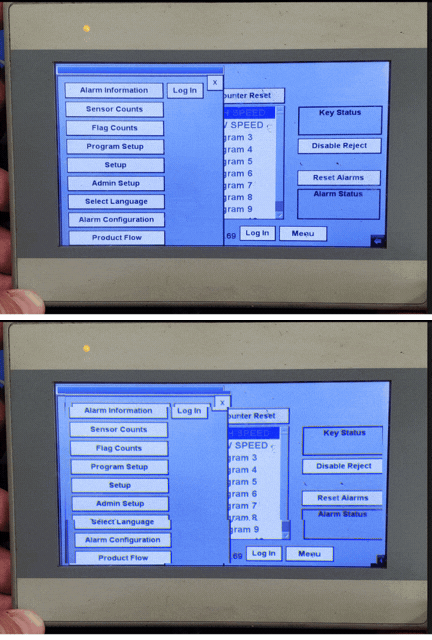
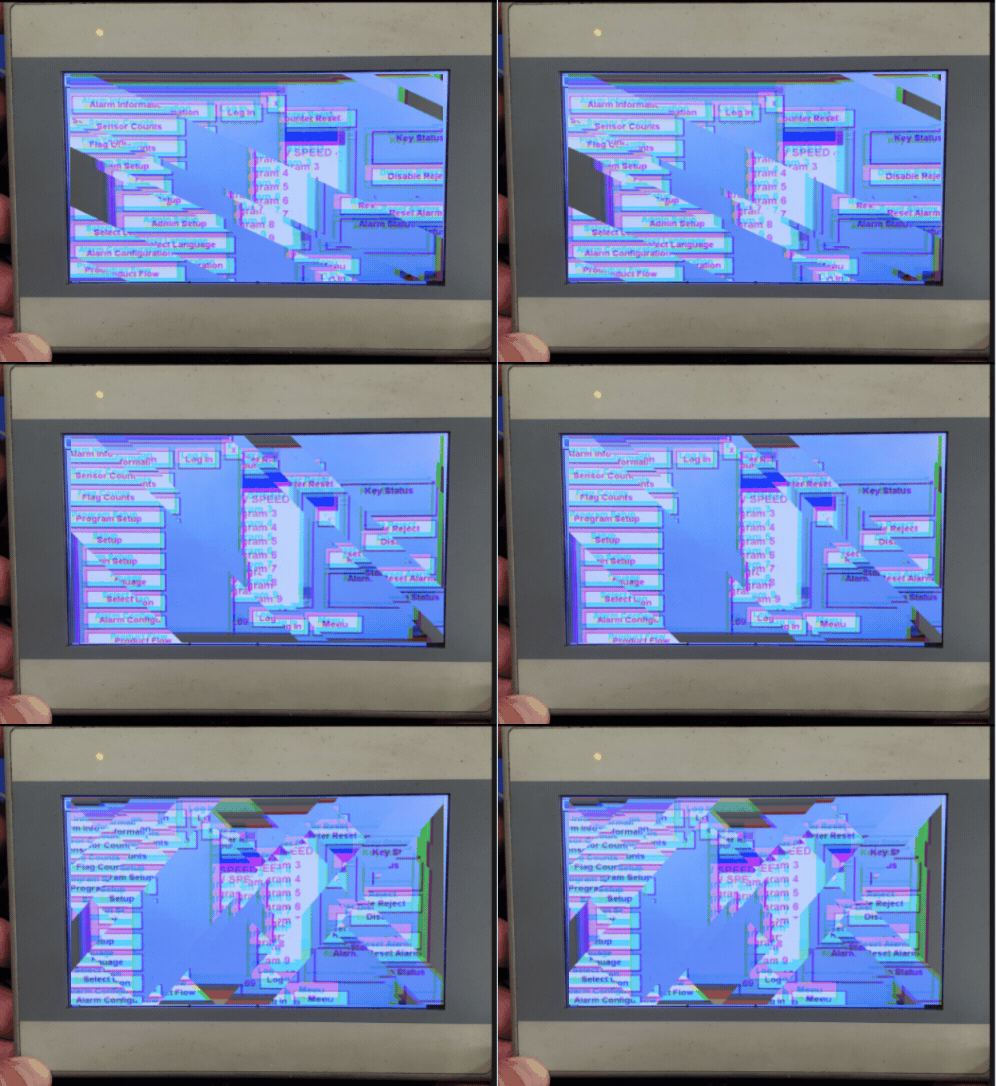
In industrial environments, failures rarely come out of nowhere.
Most of the time, the equipment didn’t just stop working — it changed first.
The Signs Were There
A system that had been running without issue starts behaving differently:
- Process controls are less accurate
- A drive trips once… then does it again
- A display flickers briefly, then more often
- A power supply that begins to sag under load
- Readings drift slightly, then go further out of range
At first, these are easy to dismiss.
The system still runs. Production continues. The issue seems minor, or at least temporary.
Until it isn’t.
What Starts Small Doesn’t Stay That Way
Early-stage issues are often the result of components beginning to degrade.
- Capacitors lose stability
- Heat stress builds over time
- Signal integrity begins to break down
- Power regulation becomes inconsistent
Individually, these changes may not cause an immediate failure. But they rarely remain isolated.
Over time, the same issue that caused a minor symptom can lead to a full loss of function.
Why Timing Matters
Addressing these issues early can make a significant difference.
In many cases, early intervention means:
- More straightforward diagnostics
- Less extensive repairs
- Lower overall cost
- Faster turnaround
As damage progresses, that same issue often becomes more difficult to pinpoint and repair.
What may have been a relatively contained fix can turn into a more complex problem affecting multiple areas of the unit.
Repair Isn’t Always the Answer — But Evaluation is the First Question
Not every unit should be repaired.
Some failures, especially in heavily damaged equipment, may not justify the investment. Others are well within reach of a reliable, cost-effective repair.
The challenge is knowing the difference.
At Control System Labs, every unit is evaluated first.
We assess the condition, and determine whether repair is technically feasible and economically justified.
And when it isn’t, we’ll say so.
Understanding the Path Forward
In most cases, we can provide a clear direction up front.
In others, the full scope of the issue becomes clearer as the repair process begins — particularly when dealing with progressive damage or multiple contributing failures.
That’s why our process is built around evaluation, communication, and practical recommendations at every step.
Don’t Wait for a Full Failure
If a piece of equipment isn’t behaving the way it used to, it’s worth paying attention.
Small problems don’t stay small for long.
Evaluating equipment early can often mean the difference between a straightforward repair and a more complex situation later on.
Start with an Evaluation
If you have equipment that’s beginning to show signs of trouble — or has already stopped working — start with an evaluation.
We’ll assess the unit, identify the primary issue(s), and provide a clear path forward whenever possible so you can make the right decision for your operation.
Final Thought
It was working yesterday.
If it isn’t today, there’s usually a reason.
Finding that reason early can make all the difference.